



Although baby teeth eventually fall out on their own, taking proper care of them until that happens is essential. When your child complains of tooth pain, it may indicate a more serious issue that requires intervention by their pediatric dentist. At The Dental Specialists, we offer pulp therapy in Garland as an effective, smile-saving solution. If we find the pulp is infected, we can remove the diseased portion and save the tooth, keeping it in place. Call our team to schedule an appointment if your child is experiencing severe tooth pain.

The only way to know if your child needs pulp therapy is to schedule an appointment with their pediatric dentist. Dr. Preece would be happy to meet with you and your child for a more thorough discussion.
During this visit, we will closely examine the affected area through digital imaging and a visual examination. We will also discuss some of the various symptoms your child may be experiencing, such as:
Based on the information we will collect, we’ll determine if your child needs pulp therapy. If so, we’ll create a treatment plan and explain the details so that you know what to expect.
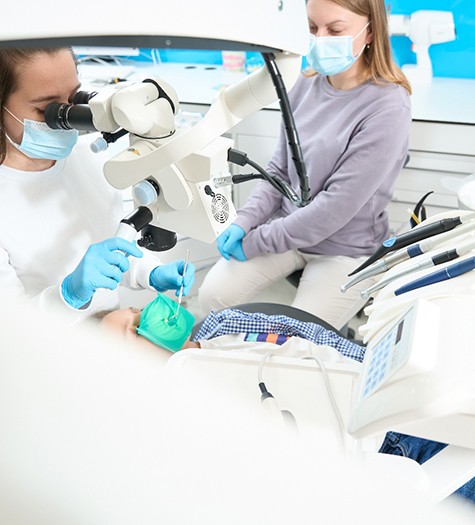
When providing pulp therapy, our dentists will administer local anesthesia to numb the affected tooth and the surrounding area. If necessary, we will also offer dental sedation to help calm their nerves and get them comfortable in the treatment chair.
We will then begin to clear away the diseased portion of the tooth – the infected pulp – while ensuring all healthy parts remain untouched. This creates a healthier environment for the tooth to heal successfully.
Since pulp therapy is designed for primary teeth, this is a safe option, as your little one will be able to keep their natural tooth and use it normally until it’s time for it to fall out.

While the idea of your child receiving this complex procedure seems scary, there are significant benefits, including:
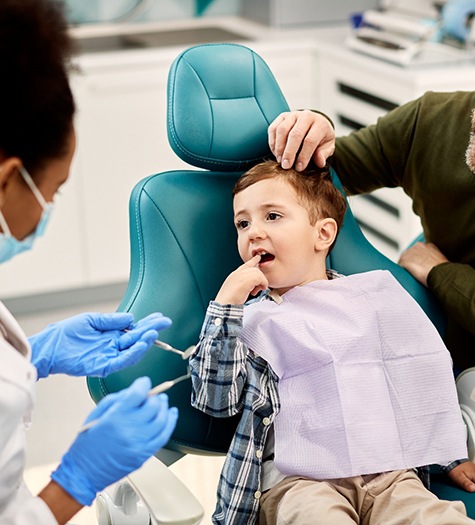
If your child’s dentist has recommended pulp therapy, you may be curious about the cost of this tooth-saving treatment. However, because each situation and child is different, there is no way to quote a ‘one-size-fits-all’ price. There are a variety of individual factors that are involved in pulp therapy, and each can affect the total. Thus, the best way to get an accurate price is to schedule a consultation with us in person. In the meantime, feel free to keep reading about how we’ll determine the cost once your child’s smile has been evaluated by one of our caring and gentle pediatric dentists.
It is difficult to determine the exact cost of pulp therapy until our team has had the opportunity to examine your child’s teeth. That’s because there are several important factors that could influence the final amount, including:
Often, parents are tempted to simply have their child’s tooth extracted and avoid pulp therapy altogether. However, while it’s true that extractions are often less expensive up front, they can often cost a lot more in the long term. That’s because losing a baby tooth too soon can frequently result in premature eruption of adult teeth which can cause a variety of problems like alignment issues or crowding later.
No matter what you decide is best for your child, be sure to do it soon, as the longer you wait, the more likely they will need the tooth to be extracted either way.
In many cases, yes. Because pulp therapy is considered a major procedure, it is common for dental insurance plans to cover anywhere from 50% to 80% of the cost after your deductible has been met. However, because each plan is different, it is important that you confirm your coverage with your dental insurance provider first. We are happy to assist you with this process, too!
In addition to welcoming a wide range of dental insurance plans, we are also happy to accept Medicaid plans from MCNA and Dentaquest. Additionally, we are proud to accept payment plans from our preferred third-party lender, CareCredit. This program allows patients to break up the cost of their dental treatment into multiple, low-to-no interest monthly payments that may be better suited to their individual budget.
At The Dental Specialists, we’re ready to help restore your child’s pain-free smile with the help of pulp therapy. We’re happy to assist you in navigating the cost of this important treatment, so don’t hesitate to call us today to get started!
If your child is scheduled to receive sedation during their pulp therapy treatment, they may need to fast for a few hours before the procedure to minimize the chance of nausea. However, we usually recommend for patients who will not be undergoing sedation to enjoy a healthy meal a few hours before the treatment since it will be difficult to chew safely for a few hours after receiving the local anesthetic. It’s important to make sure your child brushes and flosses thoroughly before their pulp therapy treatment to eliminate food debris.
The friendly staff at The Dental Specialists Pediatric Dentistry usually recommends that a patient enjoy a healthy meal a few hours before receiving pulp therapy, and it might be a great idea to give your child an over-the-counter pain reliever such as ibuprofen immediately before the procedure to help reduce discomfort as the anesthetic wears off. It’s also best for your child to have a good night’s sleep before the treatment, which will reduce anxiety and prepare the immune system to fight invasive bacteria during the healing process. This can help your child enjoy a smoother and speedier recovery after the procedure.
Most patients scheduled for pulp therapy will not need to take antibiotics before or after the procedure. However, we may prescribe an antibiotic to an individual with a health condition that can increase their risk of infection after the treatment. During your child’s consultation, one of our skilled dentists will carefully evaluate their medical history and list of medications to determine the best way to set them up for a smooth and complication-free recovery process.
Teeth are not able to fix themselves in the same way as many other parts of the body, and cavities will only get worse without the help of a qualified dentist. If one of our skilled kids’ dentists in Garland recommends pulp therapy, you can rest assured it is the best way to preserve the health, structure, and function of your child’s infected tooth. Even if your child’s dental pain seems to disappear, this may be due to the infection killing the nerve endings in their tooth rather than the problem going away. Neglecting your child’s pulp therapy treatment can lead to a serious infection that can spread to other parts of the body, and extraction will be necessary if the infected tooth cannot be saved.